

Clinical Support for NDIS High Intensity Supports
The Medecs Centre for Complex Healthcare helps disability providers deliver high-intensity supports through Registered Nurse-led assessment, participant-specific healthcare planning, worker training, practical competency verification and ongoing review.

RN-led nationally
Person-centred planning
NDIS-aligned practice
Welcome to the Centre for Complex Healthcare.
Supporting a person with high-intensity complex healthcare needs requires clinical judgement, coordinated planning and a capable workforce working together to provide safe, consistent support that reflects the person’s needs, preferences and choices.
Hear from Deb Stone RN about why the Centre exists and how Medecs connects a person's preferences, clinical assessment, care planning, high-intensity support worker training and competency verification.
Deb Stone RN - Managing Director & Director Clinical Services
Clinical support that connects the plan, the worker and safe practice
-1.png?width=250&height=250&name=Medecs%20NDIS%20Logo%20FINAL_2%20(1)-1.png)
Clinical assessment
Understand the person's health needs, preferences, risks, environment and current support arrangements.
Care planning
Translate clinical assessment into clear healthcare plans that guide safe support and reflect each participant’s needs, preferences and choices.
Workforce training
Prepare workers to follow each participant’s healthcare plan, use their equipment and recognise when to seek help.
Competency verification
Verify and document workers’ ability to deliver safe support aligned with each participant’s healthcare plan, needs and preferences.
Review & support
Respond to change, coordinate reviews and keep plans and workforce capability current.

Strong clinical management supports safer practice and better outcomes.
How do we know our workers can safely deliver the support each participant needs?
“Training without verification leaves competency unproven.”
Workers need to understand each participant’s healthcare plan and demonstrate that they can put it into practice safely, respecting the person’s preferences and choices.
Led by Deb Stone RN, Director of Clinical Services, Medecs’ clinical team connects assessment and healthcare planning with participant-specific high-intensity support training and practical competency verification. Ongoing review helps keep plans and worker capability current as needs change.
One coordinated clinical relationship gives your organisation a single point of contact—and clear evidence of workers’ assessed capabilities, any limitations and where further preparation is needed.
Assess · Plan · Train · Verify · Review
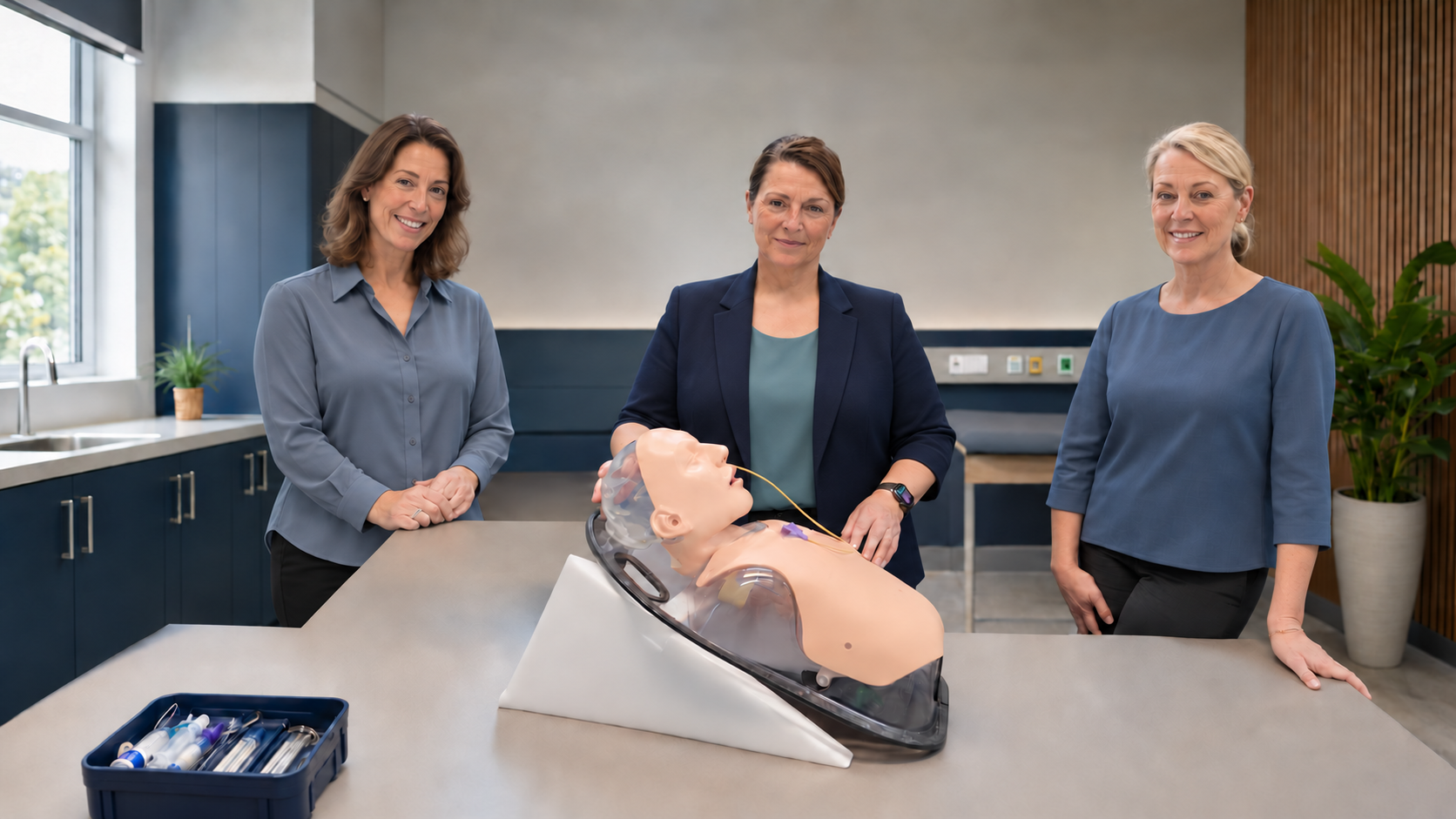
Capability built around the person, not a generic course.
High-Intensity Supports
Diabetes support
Epilepsy & seizure management
Complex bowel care
PEG feeding
Tracheostomy support
Complex wound care
Dysphagia support
Medication management
Other supports tailored to the person
.png?width=1536&height=1024&name=Medecs-Coordination-Team-Approved-Stock-Cast%20(1).png)
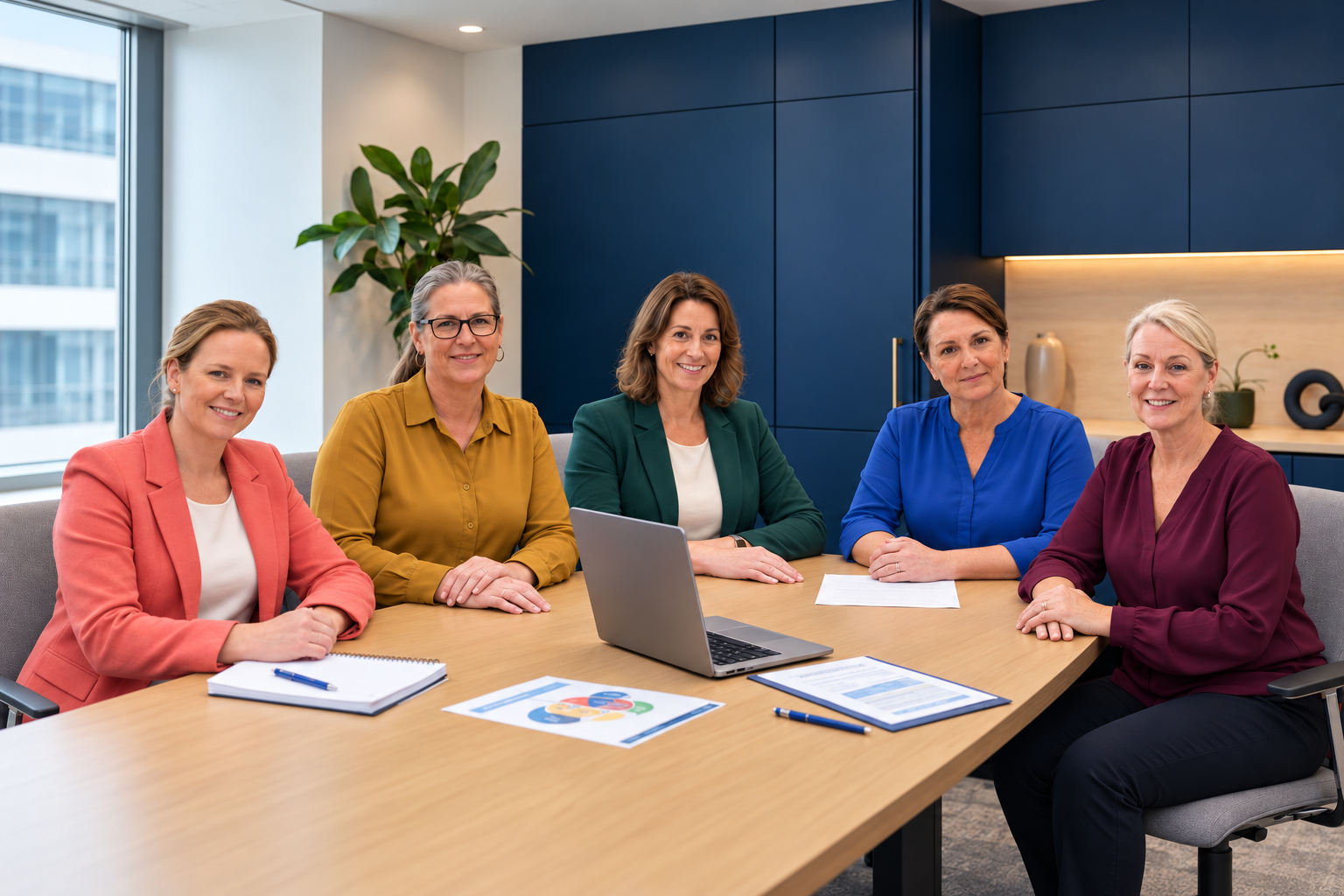
Clinical coordination that brings plans into practice
Partnering with Medecs gives your organisation access to a coordination team alongside our clinical expertise. Our coordination team works with participants, their chosen supporters, providers and clinicians to organise assessments, healthcare planning, worker training and competency verification. They provide a clear point of contact, coordinate appointments and follow up outstanding information so everyone involved understands what is happening and what comes next.
Frequently asked questions
How can Medecs help NDIS providers deliver high-intensity supports safely?
Medecs helps disability providers connect clinical assessment and participant-specific healthcare planning with worker training, practical competency verification and ongoing review. Our Registered Nurse-led team works with your organisation to clarify clinical instructions and prepare workers to deliver support that reflects each participant’s needs, preferences and choices.
Can Medecs assess participants and develop or review their healthcare plans?
Yes. Medecs Registered Nurses can assess participants’ healthcare needs and develop or review plans within their professional scope, drawing on relevant treating-practitioner instructions and specialist input where needed. We work with the participant, their chosen supporters and the provider to make clinical instructions clear and practical for the support team.
Can Medecs provide high-intensity support training specific to each participant?
Yes. Medecs provides training tailored to the participant’s healthcare plan, support tasks, equipment, communication needs and identified risks. This helps workers connect their foundation knowledge with the individual support they will deliver, including recognising changes and knowing when to seek assistance. Training arrangements reflect the activity and expertise required.
How does Medecs verify support workers’ practical competency?
Medecs assesses whether workers can apply their knowledge and skills to the participant-specific support tasks being assessed. Verification may involve practical demonstration, observation, simulation and questions about the healthcare plan, risks and escalation. We provide worker records to identify the assessment’s scope, outcome and any limitations or further preparation required, giving providers evidence to inform worker allocation.
Do support workers need competency verification if they have already completed training?
Training and competency verification serve different purposes. Training develops knowledge and skills; verification checks whether workers can apply that learning safely to the support a particular participant needs. Previous training is relevant, but providers should understand what it covered and whether practical capability was assessed. Medecs can help identify whether further preparation or verification would be useful.
Can Medecs support providers across multiple homes and locations in Australia?
Yes. Medecs works with disability providers nationally, including organisations delivering support across multiple homes. Clinical consultation, virtual delivery and coordinated service arrangements can connect participant assessment, healthcare planning, training and competency verification. Available delivery options depend on the participant’s needs, the activity being assessed and the location. Arrangements are discussed before services proceed.
What high-intensity and complex healthcare needs can Medecs help us support?
Medecs can assist with needs involving enteral feeding, complex bowel and urinary care, tracheostomy and respiratory support, dysphagia, wound care, diabetes, epilepsy and seizures, stoma care, anaphylaxis and medication management. Some fall within formal NDIS High Intensity Daily Personal Activities; others are broader healthcare needs. The appropriate service and clinical expertise are determined from the individual’s support requirements.
When should a participant’s healthcare plan and worker preparation be reviewed?
Review should follow the plan’s stated arrangements and respond to changes in the participant’s health, equipment, clinical instructions or support needs. Hospital discharge, incidents, GP review, worker concerns or participant feedback may also prompt review. Providers should consider whether updated instructions affect workers’ training, practical capability or allocation, rather than treating a plan update as a document change alone.
How does Medecs’ clinical support align with the NDIS Practice Standards?
Medecs uses relevant NDIS Practice Standards and High Intensity Support Skills Descriptors to inform healthcare planning, participant-specific training and competency verification. Our clinical support helps providers connect these expectations with individual support arrangements and maintain useful evidence of workforce preparation. Providers retain responsibility for their registration and service obligations; engaging Medecs does not itself certify or guarantee compliance.
What does an ongoing clinical partnership with Medecs involve?
A clinical partnership provides a coordinated relationship across assessment, healthcare planning, worker training, competency verification and review. This supports continuity of care by maintaining an understanding of the participant’s needs and helping providers keep clinical advice, plans and worker preparation connected as circumstances change.
Medecs’ clinical and coordination teams work with your organisation to clarify questions and coordinate agreed services. The scope, contact arrangements, review processes and costs are agreed with your organisation, based on participants’ individual needs and your service requirements.
What happens in a provider consultation with Medecs?
A provider consultation is an initial conversation about your organisation’s healthcare support and workforce needs. You might bring a question about a participant’s plan, preparation for a new support activity or confidence in workers’ practical skills. We listen, explore the circumstances and discuss useful next steps. Any further assessment, document review or services are separately scoped and agreed.
How do we request clinical support for a participant or our organisation?
Complete our clinical support request form with an overview of the support required. Our coordination team will clarify relevant details and explain the proposed service arrangements, timeframes and costs. If you would first like to discuss your organisation’s needs, you can book a provider consultation with Deb Stone.
Contact the Clincal Team
Bring the plan, the worker and safe practice together