
NDIS medication training
medication competency assessment
support worker medication competency
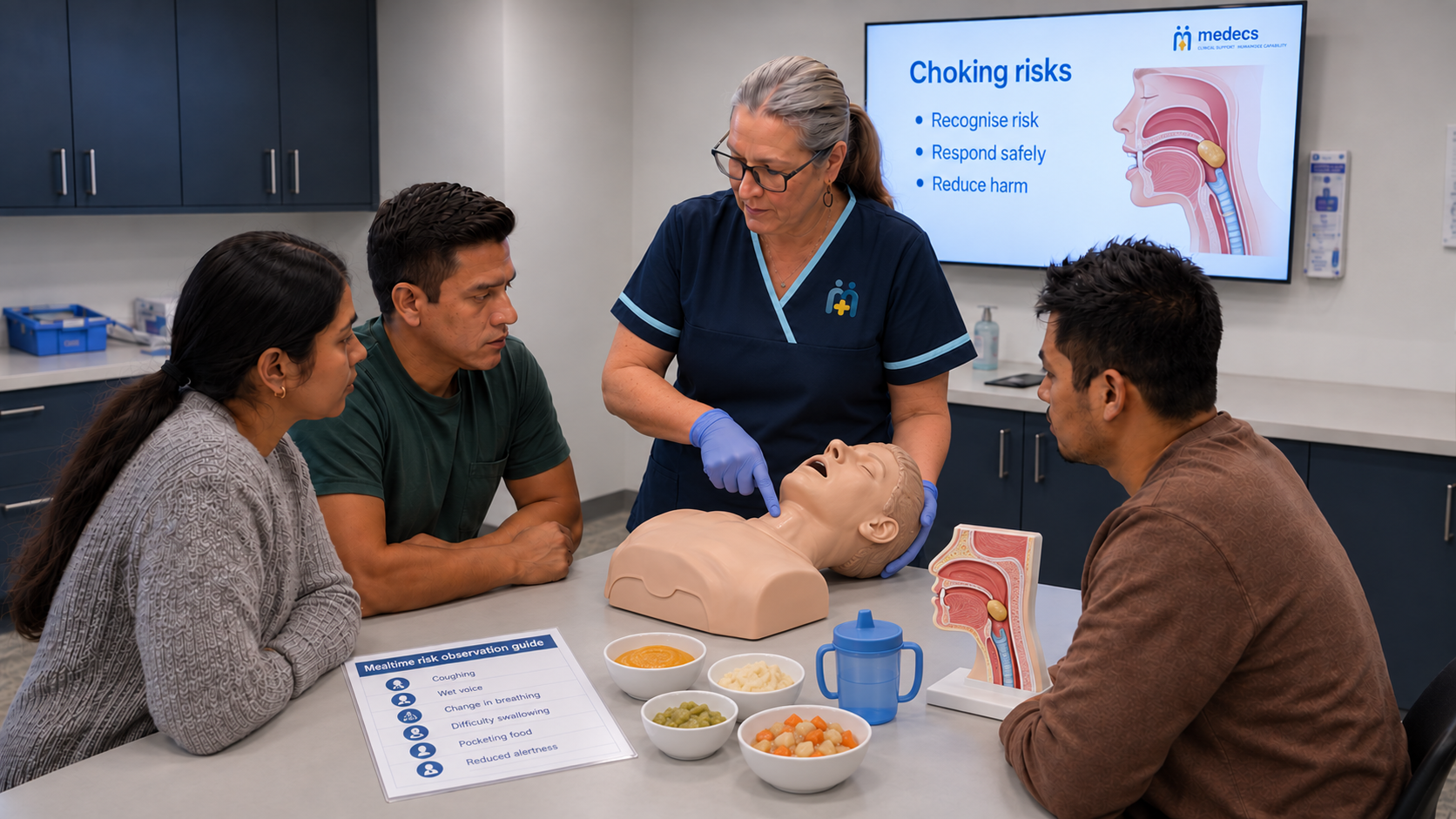

The NDIS Quality and Safeguards Commission has placed a national spotlight on choking risks and mealtime management, following recent compliance checks across Australia. This is not just a regulatory update, it’s a clear signal that mealtime safety is a critical area of risk in disability support.
 For both support workers on the frontline and providers responsible for governance, this is an opportunity to strengthen practice, improve safety, and ultimately protect the people we support.
The Commission’s campaign is targeting providers supporting participants with dysphagia (swallowing difficulties), a condition that significantly increases the risk of choking, aspiration, and serious health complications.
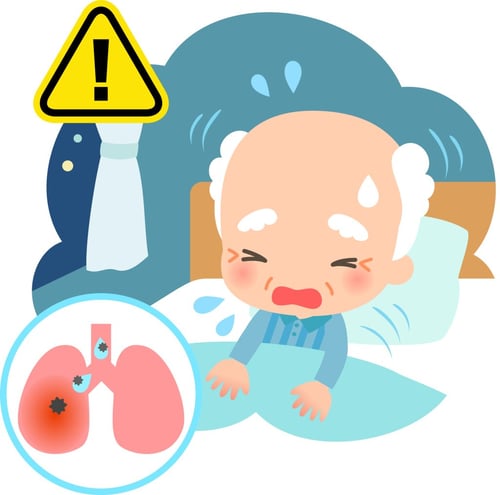
If not managed correctly, dysphagia can lead to:
This is why the NDIS is taking action. Mealtime is not a low-risk, routine activity for many participants, it is a high-risk clinical support.
Under the NDIS Practice Standards, mealtime management is not optional, it is a regulated responsibility.
Providers must ensure that:
Importantly, the NDIS Code of Conduct requires all workers to:
This means every worker has a duty of care at every meal.
 If a participant at risk, is eating during your shift, regardless of where the food came from you are responsible for their safety.
A common misconception is that mealtime management only applies if your organisation prepares the food. It does not.
If a participant at risk, is eating during your shift, regardless of where the food came from you are responsible for their safety.
This is a key message coming through the Commission’s current compliance work.
Support workers are the final safety barrier at mealtimes. You are not expected to be a speech pathologist, but you are expected to recognise risk, follow plans, and act early.
Know the person’s mealtime plan
If you do not know, stop and check.
Set up safely
Observe closely
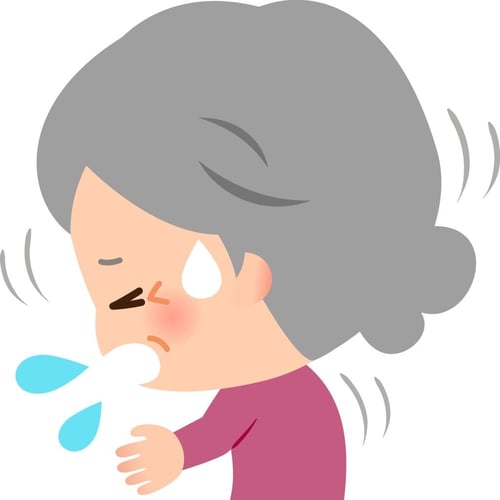
Watch for early signs of difficulty:
These are early warning signs, not something to ignore.
Follow the plan, every time
Consistency is safety. Even small deviations can significantly increase choking risk.
Know what to do in an emergency
 Providers must demonstrate systems, oversight, and evidence of safe practice over time.
This is where the NDIS focus becomes sharper. Training for frontline workers alone is not enough.
Providers must demonstrate systems, oversight, and evidence of safe practice over time.
The NDIS Practice Standards require robust governance systems, including:
Providers should be asking:
At Medecs, we see that organisations often implement the right actions but lack the systems to demonstrate consistency over time.
Strong providers:
Choking incidents rarely occur without warning. Early signs are almost always present.
 Mealtime safety is not just a compliance requirement. It is about dignity, quality of life, and trust.
Participants have the right to:
Support workers deserve:
The NDIS Commission’s focus on choking risks is not about catching providers out. It is about preventing avoidable harm.
The real question is not whether compliance is achieved. It is whether people are safe at every meal, every day.
If you have questions about how this information applies to your organisation, workforce or participant supports, speak with the Medecs clinical team.