
NDIS medication training
medication competency assessment
support worker medication competency


Last week, we spoke about the NDIS focus on choking risks and the very real impact this has across the disability sector. This week, we take the next step.
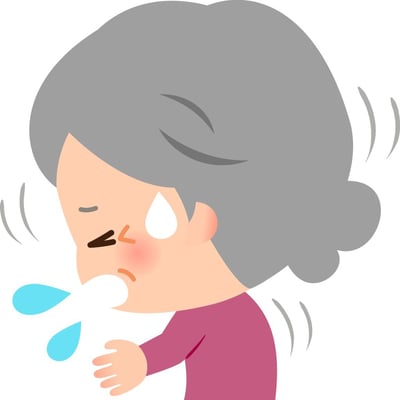
Behind every risk is a person. When it comes to dysphagia (swallowing difficulties), safety is not just about food. It is about every mouthful and every sip.
Imagine sitting down to eat or drink and not knowing if it is safe.
Imagine feeling anxious about swallowing a sip of water.
Imagine needing someone to watch closely, not just while eating, but while drinking.
For many people with dysphagia, this is everyday life:
This is why support matters. Not just safe support, but respectful, person-centred support that balances safety with dignity, choice, and quality of life.
Dysphagia affects the ability to safely swallow both food and fluids. Fluids can be particularly risky because they move quickly and are harder to control when swallowing.
Without the right supports, this can lead to:
This is why dysphagia support must always consider both what the person eats and what they drink.
Safe support always starts here. Every person with dysphagia has individual needs, including both food and fluid requirements.
 Every person with dysphagia has individual needs, including both food and fluid requirements.
Checklist: Do you know the person?
Support plans outline these needs and must be current, accessible, and understood by all workers.Knowing the plan is essential, but understanding how the person experiences eating and drinking in real life is what brings safety into practice.
Safe dysphagia support requires strong, consistent systems.
Provider checklist: Are your systems supporting safe care?
The NDIS Practice Standards require providers to identify and manage risks and ensure workers are competent to support participants safely.
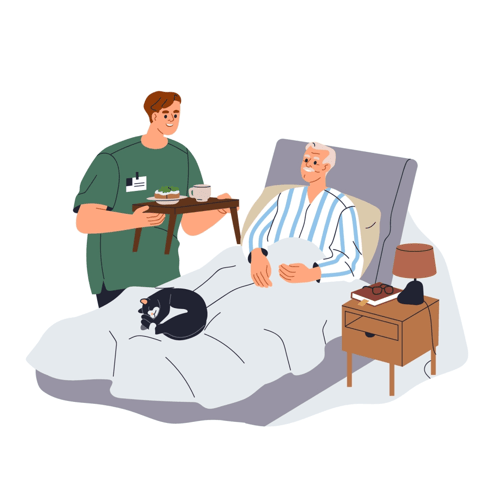 Safe dysphagia support is about consistent, informed practice every time.
Before eating or drinking
During eating and drinking
After eating and drinking
Workers must recognise risks and respond early, including escalating concerns when needed.
Dysphagia risks are not always obvious and can change quickly.
Red flags to watch for:
Fluids are often where problems first appear, especially if they are too thin or taken too quickly.
These signs must always be taken seriously.
 Safe support is not about removing all risk.
Eating and drinking are deeply personal experiences. They involve enjoyment, culture, routine, and social connection.
While safety is critical, so is the person’s right to:
Safe support is not about removing all risk. It is about understanding the risks and supporting the person safely within them.
Safe dysphagia support is not just about thickened fluids or modified meals.
It is about:
Most importantly, it is about seeing the person, not just the risk.
Dysphagia affects both eating and drinking, and both must be managed with care.
Safe, effective support comes from knowledge, preparation, consistency, communication, strong governance, and skilled workers.
When this is done well, eating and drinking can return to what they should be: safe, enjoyable, respectful, and centred around the person.
If you have questions about how this information applies to your organisation, workforce or participant supports, speak with the Medecs clinical team.