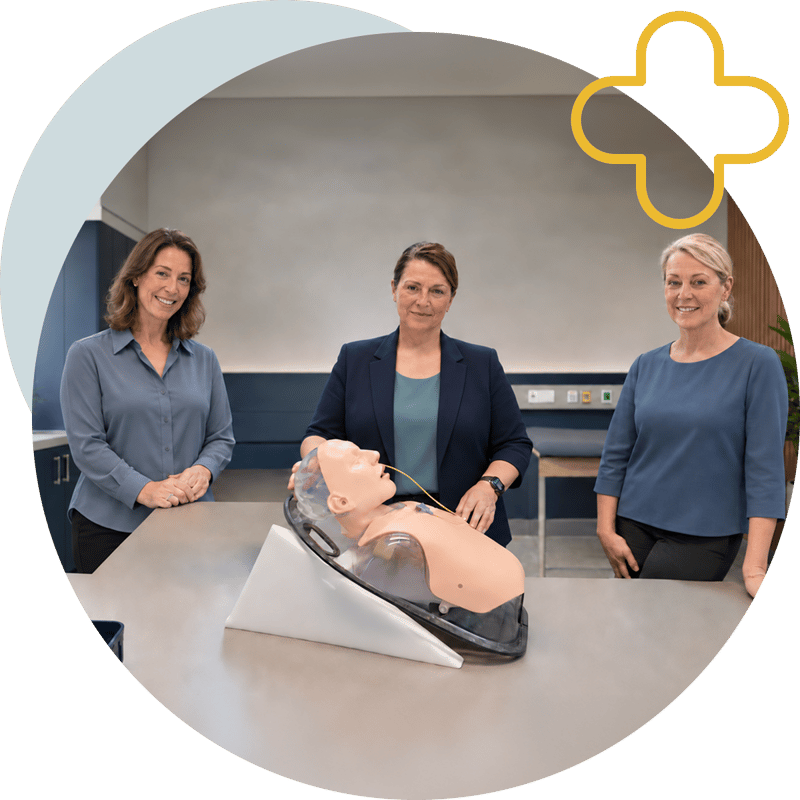

NDIS medication training
medication competency assessment
support worker medication competency
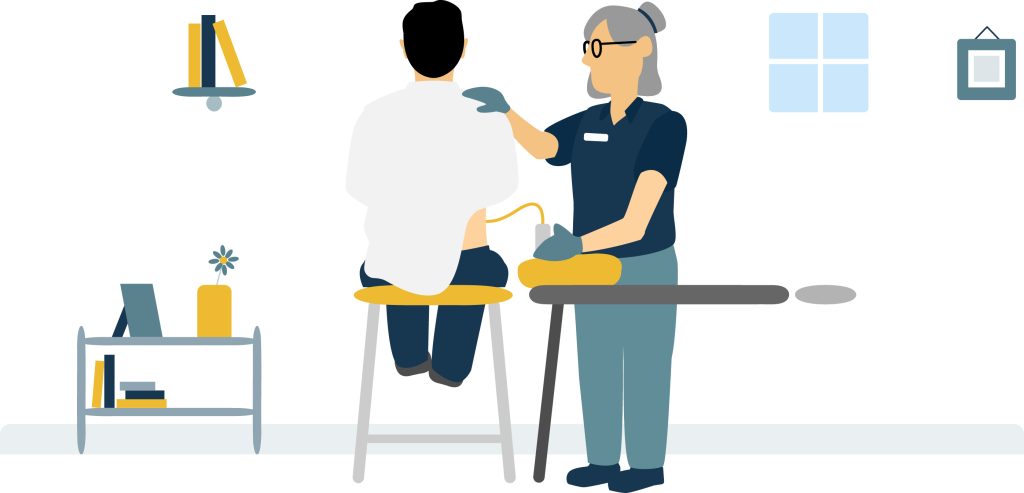

Disability support workers play one of the most important roles in a participant’s life. They are often the people who know the person best seeing them regularly, supporting daily routines, and noticing the subtle changes that others may miss.
 Support workers are often the first line of defence when a person’s health begins to deteriorate.
Because of this close relationship, support workers are often the first line of defence when a person’s health begins to deteriorate.
Early deterioration does not always look dramatic. In many cases, the warning signs are small changes that develop gradually. Recognising these changes and responding appropriately is a critical part of a support worker’s duty of care and an essential responsibility for disa bility service providers to support through training, systems, and governance.
At Medecs Learning, we see this every day. With the right knowledge and organisational support, frontline workers can make a significant difference to a person’s safety, wellbeing, and long-term health outcomes.
People with disability are at increased risk of poor health outcomes and may experience undiagnosed conditions or multiple health issues at the same time. Early identification of changes in a participant’s health can help ensure they access medical care sooner and prevent conditions from becoming more serious.
Unfortunately, deterioration is sometimes missed because symptoms are subtle or misunderstood.For example:
These changes may appear minor, but they can indicate that something is wrong. Early recognition allows workers to escalate concerns and ensure the participant receives appropriate medical review.
 Support workers have a duty to observe, recognise changes, and report concerns promptly.
One of the most important foundations of recognising deterioration is knowing what is normal for the person.
Every participant has their own baseline for:
When workers understand this baseline, they are better positioned to notice when something is not quite right.
Examples of early warning signs may include:
For some people with disability, communicating pain or illness may be difficult. Changes in behaviour may actually be the person’s way of communicating that they feel unwell.
This is why attentive observation and documentation are so important.
When early signs of deterioration are noticed, support workers should:
Observe carefully
Pay attention to what is different from the participant’s usual presentation.
Record the changes
Accurate documentation helps ensure the information can be reviewed by supervisors, clinicians, or health professionals.
Communicate concerns
Report changes to the appropriate supervisor, nurse, or service provider according to organisational procedures.
Support medical review when required
Participants should be supported to access medical care, such as a GP appointment, when changes in health are observed.
Early action can prevent minor issues from becoming serious medical emergencies.
 Service providers have a duty to ensure systems are in place to support safe practice.
While frontline workers play a critical role, they cannot carry this responsibility alone.
Service providers have a duty to ensure systems are in place to support safe practice.
This includes:
Governance and Oversight
Providers should have clear processes for:
These systems ensure concerns raised by support workers are taken seriously and addressed promptly.
Training and Competency Verification
Support workers must be trained and competency verified to:
Training and competency should not only focus on clinical tasks but also on observational awareness and critical thinking.
Access to Health Information
Workers need access to relevant information about the participant, including:
Maintaining accurate and accessible health records is essential to ensuring safe and responsive care.
Disability support work is complex and demanding. Workers often balance multiple responsibilities while providing compassionate, person-centred support.
Recognising early deterioration requires confidence, knowledge, and organisational backing.
Providers can support their workforce by:
When workers feel supported, they are more likely to raise concerns early and early action can save lives.

Recognising early deterioration is not about placing pressure on frontline staff. Instead, it is about strengthening the partnership between support workers, service providers, families, and health professionals.
Support workers bring the insight of daily observation.
Providers bring governance, training, competency verification and governance systems.
Together, these elements create safer environments for people with disability.
At Medecs, our focus is always the same, supporting the workforce with practical knowledge, encouraging awareness, and helping organisations strengthen the systems that protect participant health and wellbeing.
 Because sometimes, the smallest change noticed by a support worker can make the biggest difference.
If you have questions about how this information applies to your organisation, workforce or participant supports, speak with the Medecs clinical team.