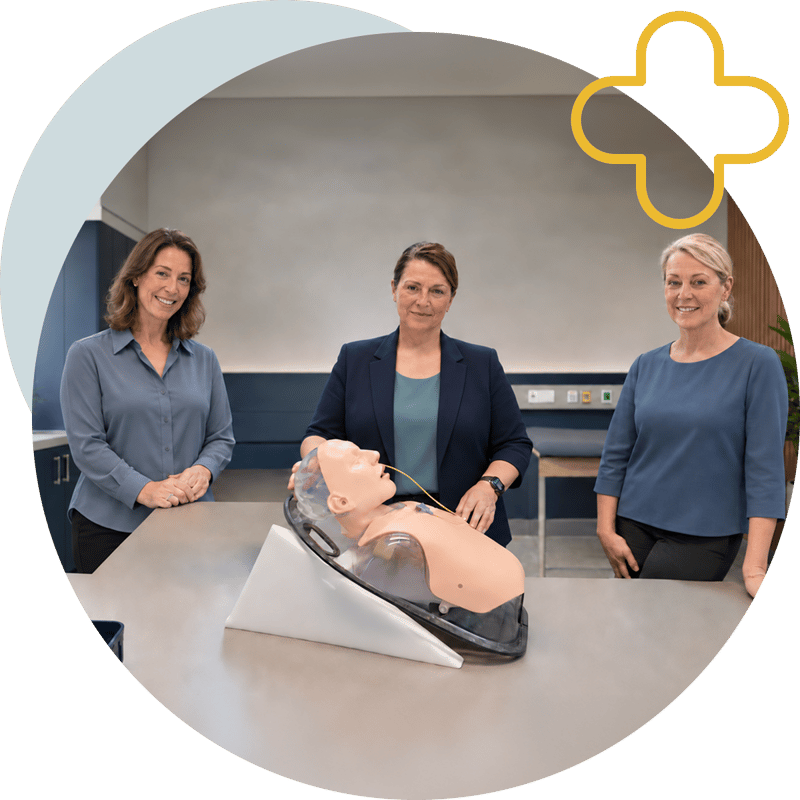

NDIS medication training
medication competency assessment
support worker medication competency


No organisation plans for a medication incident. Yet every organisation that administers or supports the administration of medication must plan for the possibility that one will occur. Medication assurance is not built on the belief that incidents will never happen. It is built on confidence that when they do, the response will be immediate, structured, transparent, and focused on learning. The difference between a service that reacts and a service that assures is not whether incidents occur, it is how well the system captures, escalates, and learns from them.
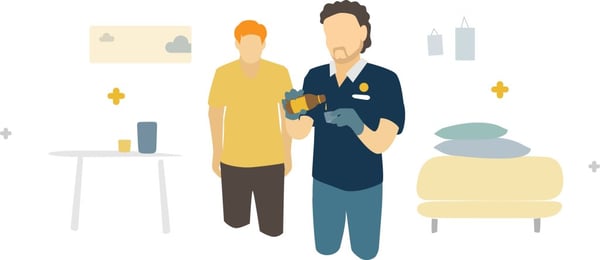
Throughout this series, we’ve defined medication assurance as:
The ability of an organisation to confidently demonstrate that medication is being managed safely, consistently, and in line with each person’s needs, not just at a point in time, but over time.
Incident management sits at the heart of that definition. Assurance is not proven when everything goes right. It is proven when something goes wrong and the system responds well.
Medication incidents include more than serious adverse events. They may involve:
Near misses are early warning signs. When organisations ignore them, they lose the opportunity to strengthen systems before actual harm happens.
Ensure that anyone affected, a person with disability, NDIS workers or others is safe and well.
If the impacted person requires urgent medical attention, call 000 immediately. Do not delay taking this action. Participant safety must always come before internal notification processes.
Once immediate safety is addressed, workers should clearly know:
If these steps are unclear, inconsistent, or delayed, the system is under strain.
Medication assurance requires:
This is not about panic. It is about preparedness.
 Incidents are under-reported when workers fear blame. Silence weakens systems. Transparency strengthens them.
Incidents are under-reported when workers fear blame. Silence weakens systems. Transparency strengthens them.
A strong medication assurance culture ensures:
Support workers are rarely reckless. More often, they are working within stretched systems. Assurance protects workers by ensuring they are supported, not isolated when something goes wrong.
Reporting an incident is only the beginning. True medication assurance requires structured review that asks:
This may involve reviewing medication records, communication between services, supervision arrangements, training refreshers, workload pressures, or rostering gaps.
Without this deeper analysis, incidents become paperwork, not learning opportunities.
For people with disability and complex healthcare needs, timely escalation can be lifesaving.
Many participants:
When incident systems function well, participants are supported quickly, informed appropriately, and protected from repeat harm.
Incident management is not just regulatory compliance. It is a direct expression of person-centred care.
Medication assurance shifts focus from isolated events to trends.
Leadership should be able to see:
Data alone does not create safety. Learning systems do.
This requires:
When organisations can demonstrate that incidents are analysed and acted upon, they move from reactive to assured.
The NDIS Practice Standards require providers to maintain incident management systems that safeguard participants and are proportionate to the complexity of supports delivered.
Increasingly, the regulatory question is not simply, “Did an incident occur?”
It is, “How did the organisation respond and what changed as a result?”
That is the essence of assurance.
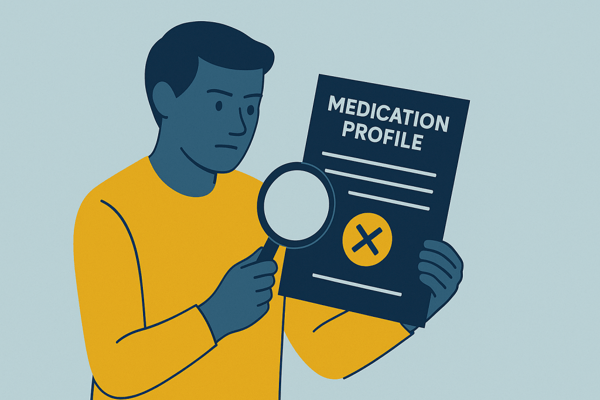 Medication assurance does not eliminate risk entirely. It ensures risk is visible, escalated early and reduced over time.
Medication incidents are serious. But they are also signals.
Strong organisations do not hide them. They examine them, learn from them, and strengthen their systems because of them.
Medication assurance does not eliminate risk entirely. It ensures risk is visible, escalated early and reduced over time.
In our final blog in this series, we will explore the governance layer of medication assurance, how leaders maintain oversight, demonstrate safety over time, and move beyond training alone toward sustainable system confidence.
Because when something goes wrong, the strength of your system becomes visible. And that is where true medication assurance is proven.
At Medecs Learning, we believe medication safety is strengthened when systems support people, not just policies. We work with organisations to build the knowledge, confidence and oversight structures that protect participants and the workforce alike.
If you have questions about how this information applies to your organisation, workforce or participant supports, speak with the Medecs clinical team.